Why Butternut Squash Should Be Your Go-To Winter Comfort Food
As the days grow shorter and the air turns crisp, there's a certain magic that winter produce brings to our tables. Among the stars of the season, butternut squash shines brightly with its vibrant color, naturally sweet flavor, and incredibly creamy texture. More than just a humble root vegetable (though technically a fruit!), butternut squash is a nutritional powerhouse, packed with fiber, essential vitamins, and antioxidants, all while being low in calories and fat. It’s the ultimate ingredient for cozy, comforting meals that also happen to be incredibly healthy.
If you've ever wondered how to cook butternut squash, you're in the right place. Whether you're a seasoned chef or a kitchen novice, this comprehensive guide will demystify the process, helping you achieve perfectly roasted butternut squash every single time. We'll explore two popular and equally delicious methods: roasting it in elegant halves or versatile cubes. Both offer a delightful culinary experience, making it an ideal side dish for holiday gatherings, a warming addition to winter salads, or even the creamy base for soups and stews. Get ready to transform this winter gem into a dish that will tantalize your taste buds and nourish your body!
Mastering Butternut Squash Prep: From Whole to Ready-to-Roast
Before you can enjoy that sweet, roasted goodness, a little preparation is in order. Don't be intimidated by the squash's tough exterior; with a few simple techniques, you'll be slicing and dicing like a pro. The key to effortless cooking starts with confident and safe preparation.
Peeling Your Butternut Squash (Essential for Cubes)
If your goal is to create uniform, tender cubes, peeling is a crucial first step. The skin of a butternut squash is quite thick and not pleasant to eat once cooked. Here’s how to tackle it:
- Stabilize First: For safety, trim both ends of the squash using a large, sharp knife. This creates flat surfaces, preventing the squash from rolling.
- Peel with Precision: Grab a high-quality vegetable peeler. Start at one end and apply firm, even pressure, peeling away 2-3 layers of the tough outer skin. Rotate the squash as you go, ensuring all the bright orange flesh is exposed. Don't worry if it takes a few passes; the goal is to remove every bit of the fibrous skin.
For more in-depth guidance on safe and efficient squash preparation, check out our detailed article on Butternut Squash Prep: Peeling & Cutting Tips for Quick Roasting.
Halving and Deseeding Your Squash
Whether you’re roasting halves or cubing, deseeding is a universal step:
- Careful Halving: Place the peeled (or unpeeled, if roasting halves) squash on a stable cutting board. Using a large, sharp chef's knife, carefully cut the squash in half lengthwise. It can be a bit challenging due to its shape, so take your time and use a rocking motion if needed.
- Scoop it Out: Once halved, you'll expose the seed cavity. Grab a sturdy spoon (an ice cream scoop works wonders!) and scrape out all the seeds and fibrous pith. Discard these, or save the seeds for roasting if you're feeling adventurous!
How to Cook Butternut Squash: Two Essential Roasting Methods
Now for the main event: cooking! Both roasting methods below are incredibly simple and yield delicious results. Your choice will depend on your desired presentation and how you plan to use the squash.
Method 1: Roasted Butternut Squash Halves (The Creamy Comfort Way)
Roasting butternut squash in halves is perhaps the easiest way to cook it, requiring minimal effort after initial prep. This method results in incredibly creamy, scoopable flesh, perfect for a simple side dish or a base for other recipes.
- Season Simply: Place the deseeded squash halves, flesh-side up, in a baking dish. Drizzle generously with olive oil and season with a pinch of salt and freshly ground black pepper. For a touch of sweetness, consider a sprinkle of brown sugar or a dash of cinnamon.
- Cover and Bake: Cover the baking dish tightly with aluminum foil. This traps steam, allowing the squash to cook through and become wonderfully tender without drying out. Bake in a preheated oven at 400°F (200°C) for 45 minutes.
- Uncover and Brown: Remove the foil and continue baking for another 15-20 minutes, or until the top edges of the squash begin to brown lightly and the flesh is fork-tender. The browning adds a fantastic depth of flavor. Total baking time will range from 60-70 minutes, depending on the size of your squash. Smaller squashes may be done closer to 40-50 minutes total.
- Serve and Enjoy: Once cooked, simply scoop the creamy flesh out with a spoon. Smaller halves can even be served directly in their "bowls" for an elegant presentation.
Pro Tip: Roasting covered first is key to achieving that signature creamy texture, while the uncovered period adds beautiful caramelization.
Method 2: Roasted Butternut Squash Cubes (The Quick & Versatile Way)
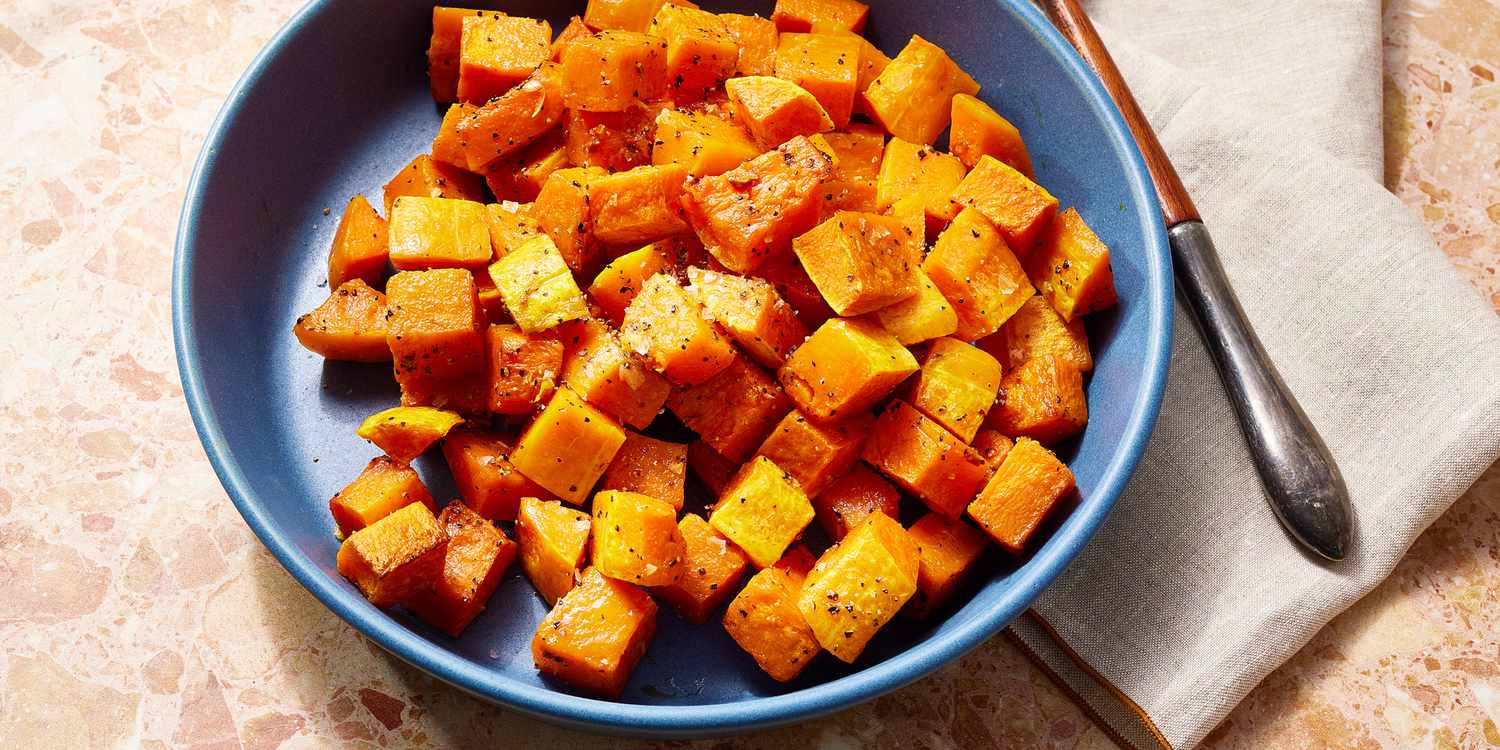
Cubed butternut squash is fantastically versatile. Its smaller size means faster cooking times and makes it ideal for adding to salads, grain bowls, stir-fries, or as a vibrant side dish.
- Prep Your Cubes: After peeling and deseeding as described above, place the squash cut-side down on your board. Cut it into 1-inch thick slices, then take each slice and cut it into roughly 1-inch cubes. Uniformity is important here for even cooking.
- Season Liberally: Transfer the butternut squash cubes to a large baking sheet. Drizzle with 2-3 tablespoons of olive oil (or melted butter for richness). Season generously with salt and pepper. This is also a fantastic opportunity to add other herbs and spices like rosemary, thyme, smoked paprika, or a hint of nutmeg. Toss everything together to ensure the cubes are evenly coated.
- Spread and Roast: Arrange the seasoned squash cubes in a single layer on the baking sheet. Do not overcrowd the pan! If the pan is too full, the squash will steam instead of roast, leading to mushy results. Use two baking sheets if necessary.
- Bake to Perfection: Roast in a preheated oven at a higher temperature of 425°F (220°C) for 25-35 minutes. Flip the squash cubes halfway through to ensure even browning. The squash is ready when the edges are beautifully caramelized, and the flesh is fork-tender.
Why the difference in time? Cubed squash has more surface area exposed to direct heat, allowing it to cook faster and achieve crispier edges. Halves, being larger, require a lower temperature and initial covering to cook through evenly without burning the exterior.
Elevate Your Flavor: Seasoning & Serving Ideas
While a simple olive oil, salt, and pepper seasoning is always delicious, butternut squash is incredibly adaptable to a wide array of flavors. Don't be afraid to experiment!
- Sweet & Savory: A drizzle of maple syrup or honey during the last 10 minutes of roasting, paired with a sprinkle of cinnamon or nutmeg, enhances the squash's natural sweetness beautifully.
- Herbaceous: Fresh herbs like rosemary, thyme, or sage are classic companions, adding an aromatic depth. Add them during the last 15-20 minutes of roasting to prevent burning.
- Spicy Kick: A pinch of red pepper flakes, smoked paprika, or a dash of chili powder can add a delightful warmth.
- Exotic Touch: Cumin, coriander, or even a touch of curry powder can transport your butternut squash to new culinary destinations.
Roasted butternut squash is a truly versatile ingredient. Serve it as a stand-alone side dish, toss it into a hearty winter salad with greens and a vinaigrette, blend it into a creamy soup, or incorporate it into pasta dishes, curries, or risottos. Its sweet, creamy profile makes it a healthy and satisfying addition to almost any meal. For more inspiration on creating comforting and nutritious dishes with this delightful squash, explore our article on Sweet & Creamy Butternut Squash: Healthy Winter Comfort Food.
Troubleshooting & Expert Tips for Perfect Results
Even with the best instructions, sometimes little things can make a big difference. Here are some extra tips to ensure your roasted butternut squash is always a success:
- Choose Wisely: Select a butternut squash that feels heavy for its size and has a uniform, pale orange to tan skin without any soft spots or blemishes.
- Don't Skimp on Oil: Olive oil is crucial for both flavor and promoting caramelization. It also helps prevent sticking.
- Even Cuts for Even Cooking: Whether you're making halves or cubes, strive for uniform size. This ensures everything cooks at the same rate.
- Hot Oven is Key: Roasting requires a high temperature to achieve that desirable tender interior and slightly browned exterior. Don't be tempted to lower the temperature too much.
- Listen to Your Squash: While times are provided, ovens vary. Check for fork-tenderness; that's your ultimate indicator of doneness.
- Safety First: Butternut squash can be tough to cut. Always use a sharp knife and a stable cutting surface. If struggling, microwave the whole squash for 1-2 minutes to soften the skin slightly before cutting.
Conclusion
Learning how to cook butternut squash is a rewarding skill that opens up a world of delicious and nutritious meal possibilities. From its sweet, creamy flesh to its incredible versatility and health benefits, this winter squash truly deserves a spot on your table. Whether you prefer the simplicity of roasted halves or the convenience of tender cubes, you now have all the knowledge and tips to prepare perfect butternut squash every time. So go ahead, grab a squash, and enjoy the cozy, comforting flavors of the season!
