Sweet & Creamy Butternut Squash: Your Ultimate Guide to Healthy Winter Comfort Food
As the days grow shorter and the air turns crisp, there’s a distinct craving for warmth, comfort, and nourishing meals that truly hit the spot. Enter butternut squash, a true superstar of winter produce. With its vibrant orange flesh, naturally sweet flavor, and incredibly creamy texture, butternut squash transforms effortlessly into a healthy, comforting side dish or a versatile ingredient in countless recipes. If you’ve ever wondered
how to cook butternut squash to perfection, you're in the right place. This comprehensive guide will walk you through everything you need to know, from preparation to various cooking methods, ensuring delicious results every time.
Why Butternut Squash Deserves a Spot on Your Plate
Butternut squash isn't just delicious; it's a nutritional powerhouse wrapped in a beautiful, edible package. Often treated as a vegetable in the kitchen, this culinary chameleon is actually botanically a fruit! Regardless of its classification, its health benefits are undeniable.
It’s an excellent source of dietary fiber, supporting digestive health and helping you feel fuller for longer, which can be beneficial for weight management. Butternut squash is also exceptionally rich in vitamins, particularly Vitamin A (in the form of beta-carotene, responsible for its vibrant color) and Vitamin C, both vital antioxidants that support immune function and skin health. Plus, it's naturally low in calories and fat, making it an ideal choice for a wholesome diet.
Beyond its nutritional profile, butternut squash boasts a unique flavor that makes it a beloved ingredient. Its inherent sweetness with subtle nutty undertones makes it incredibly versatile. Whether seasoned simply with olive oil, salt, and pepper, or dressed up with warming spices like cinnamon, brown sugar, or savory herbs, it adapts beautifully to various culinary styles. From hearty soups and stews to vibrant salads and comforting mashed dishes, learning
how to cook butternut squash opens up a world of culinary possibilities. It’s the perfect way to satisfy those winter carb cravings in a healthy, wholesome way.
Essential Prep: Peeling and Cutting Butternut Squash
Before you can enjoy the sweet rewards of butternut squash, a little preparation is in order. While its thick skin and unique shape can seem intimidating, with the right tools and techniques, preparing butternut squash is surprisingly straightforward and safe. For more in-depth tips on this, make sure to check out our
Butternut Squash Prep: Peeling & Cutting Tips for Quick Roasting.
Peeling the Squash
The skin of a butternut squash is too tough to eat, so peeling is usually the first step, especially if you plan to cube it.
*
Choose Your Tool: A quality vegetable peeler is your best friend here. A Y-peeler often provides better grip and control for the squash's contours.
*
Stability is Key: For easier peeling, you might find it helpful to first trim a small slice off the top and bottom of the squash. This creates flat surfaces, allowing you to stand the squash upright on your cutting board, making it more stable and safer to peel.
*
Peel in Layers: The skin is thick, so you'll need to peel off 2-3 layers until the bright orange flesh is fully exposed and free of any green streaks. Rotate the squash as you go, ensuring all the tough outer skin is removed.
Cutting the Squash
The way you cut your squash depends on your chosen cooking method. We’ll cover two main approaches: cutting in half for whole roasting, and cubing for faster, more versatile cooking.
For Roasting Halves:
1.
Halve Lengthwise: Place the peeled squash on a stable cutting board. Using a large, sharp knife, carefully cut the squash in half lengthwise, starting from one end and slicing all the way through to the other. Be mindful of the rounded bottom, and use a damp cloth under your cutting board for extra stability if needed.
2.
Scoop Out Seeds: Once halved, use a sturdy spoon (an ice cream scoop works wonderfully) to scrape out the stringy pith and seeds from the cavity. Discard the seeds or save them for roasting later, similar to pumpkin seeds.
For Cubing (Ideal for Quick Roasting or Soups):
1.
Trim Ends: After peeling, use a sharp knife to carefully cut off both the top and bottom ends of the squash. This provides stable, flat surfaces.
2.
Halve and Seed: Stand the squash upright on one of its flat ends. Carefully cut it in half lengthwise, then scoop out the seeds and pith as described above.
3.
Slice into Rounds: Place the squash halves cut-side down. Slice each half into 1-inch thick rounds.
4.
Cube: Take each round and cut it into 1-inch cubes. For the bulbous end, you may need to cut it into more irregular pieces first, then shape them into cubes. Aim for uniform size to ensure even cooking.
Mastering the Oven: Two Popular Methods for How to Cook Butternut Squash
Roasting is arguably the most popular and delicious way to cook butternut squash, enhancing its natural sweetness and creating a beautiful caramelized exterior. Here, we'll detail two fantastic roasting methods: cooking in halves for a creamy, scoopable side, and cubing for quicker cooking and versatility. For a more detailed look at roasting methods, explore our article on
Easy Roasted Butternut Squash: Perfect Halves or Cubes Every Time.
Method 1: Roasted Butternut Squash Halves (The Creamy & Comforting Way)
This method is perfect for a simple, elegant side dish where the squash is served directly from its "shell."
1.
Prep Your Squash: Follow the "For Roasting Halves" instructions above to cut your butternut squash in half lengthwise and scoop out the seeds.
2.
Season Generously: Rub the cut flesh of each squash half with 1-2 tablespoons of olive oil. Sprinkle generously with salt and freshly ground black pepper. For added flavor, consider a drizzle of maple syrup or brown sugar, a pinch of cinnamon, or a sprinkle of fresh herbs like rosemary or thyme.
3.
Prepare for Baking: Place the seasoned squash halves, flesh-side up, in a baking dish.
4.
Bake Covered, Then Uncovered: Cover the baking dish tightly with aluminum foil. Bake in a preheated oven at 400°F (200°C) for about 45 minutes. Covering the squash helps it steam and become incredibly tender and creamy without drying out.
5.
Brown and Finish: Remove the foil and continue baking for another 15-20 minutes, or until the top of the squash has beautifully browned and caramelized, and the flesh is easily pierced with a fork. This final uncovered stage adds depth of flavor and a lovely texture.
6.
Serve: Let it cool slightly, then serve by scooping out the sweet, creamy flesh with a spoon. Smaller squash halves can even be served individually as charming bowls of deliciousness.
*
Cooking Time Tip: A smaller butternut squash (around 2-3 lbs) will typically be ready in about 40-50 minutes total. Larger squashes (3-5 lbs) may take up to an hour or even slightly more.
Method 2: Roasted Butternut Squash Cubes (The Quick & Versatile Way)
Cubed butternut squash cooks faster and offers more surface area for delightful caramelization, making it fantastic for salads, grain bowls, or as a vibrant side dish.
1.
Prep Your Squash: Follow the "For Cubing" instructions above to peel and cut your butternut squash into 1-inch cubes.
2.
Toss with Flavor: Place the squash cubes in a large bowl. Drizzle with 2-3 tablespoons of olive oil (or melted butter for extra richness). Season generously with salt, pepper, and your choice of herbs (e.g., sage, thyme) or sweet spices (e.g., cinnamon, nutmeg). Toss until all cubes are evenly coated.
3.
Arrange on Baking Sheet: Spread the seasoned squash cubes in a single layer on a large baking sheet. Avoid overcrowding the pan, as this can steam the squash instead of roasting it. If necessary, use two baking sheets.
4.
Roast to Perfection: Roast in a preheated oven at a higher temperature of 425°F (220°C) for 25-35 minutes. Flip the cubes halfway through cooking to ensure even browning. The squash is done when the edges are lightly browned and caramelized, and the flesh is fork-tender.
5.
Serve: Enjoy immediately as a side, add to salads, or incorporate into other dishes.
*
Cooking Time Tip: Cubes significantly cut down on cooking time, often ready in about 30 minutes, depending on cube size and oven.
Beyond Roasting: Other Ways to Cook Butternut Squash
While roasting is a favorite, butternut squash is incredibly versatile. It can also be:
* **Puréed for Soups:** Boiled or roasted squash can be blended into silky smooth soups.
* **Steamed or Boiled:** For a simple, quick preparation, though roasting brings out more flavor.
* **Pressure Cooked/Instant Pot:** An excellent option for rapid cooking, especially when making purées or adding to stews.
* **Microwaved:** For a very quick soften, often used as a prep step before further cooking.
* **Integrated into Stews and Chilis:** Its creaminess and sweetness complement savory dishes beautifully.
Flavor Pairings & Serving Suggestions
Once you've mastered
how to cook butternut squash, the possibilities for enjoying it are endless.
Simple & Sweet Enhancements:
*
Maple Syrup or Brown Sugar: A drizzle of maple syrup or a sprinkle of brown sugar enhances its natural sweetness, especially delicious with a pinch of cinnamon or nutmeg.
*
Honey & Chili Flakes: A sweet and spicy combination that adds a zing.
*
Toasted Nuts: Pecans, walnuts, or pumpkin seeds add a delightful crunch and nutty flavor.
Savory & Aromatic Additions:
*
Fresh Herbs: Rosemary, sage, and thyme are classic pairings, adding an earthy, aromatic note.
*
Garlic & Onion: Roasting squash with sliced garlic and onion creates a deeply savory profile.
*
Parmesan Cheese: A sprinkle of grated Parmesan during the last few minutes of roasting adds a salty, umami kick.
*
Balsamic Glaze: A drizzle of tangy balsamic glaze after roasting provides a wonderful counterpoint to the squash's sweetness.
Creative Serving Ideas:
*
Warm Winter Salads: Toss hot roasted butternut squash cubes into a bed of mixed greens with goat cheese, candied pecans, and a light vinaigrette.
*
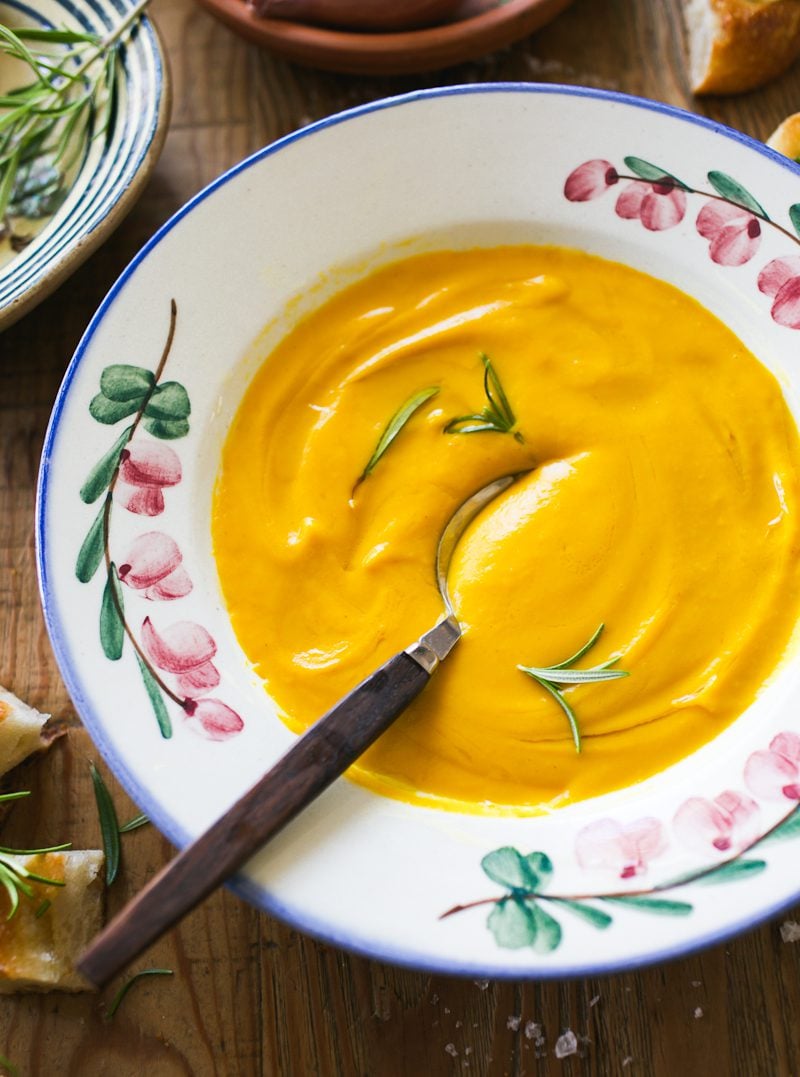
Creamy Soups: Blend roasted squash with vegetable broth, a touch of cream, and spices for a velvety butternut squash soup.
*
Mashed Side Dish: Mash roasted or boiled squash with butter, salt, and pepper (and a hint of cinnamon or nutmeg) for a comforting alternative to mashed potatoes.
*
Pasta Dishes: Add roasted cubes to pasta with brown butter and sage.
*
Grains and Bowls: Incorporate into quinoa, farro, or rice bowls for a nutritious and satisfying meal.
Conclusion
Butternut squash truly embodies the spirit of healthy winter comfort food. Its sweet, creamy flesh, combined with its impressive nutritional benefits and incredible versatility, makes it a must-have in your cold-weather culinary repertoire. Whether you choose to roast it in simple, elegant halves or quickly bake it into golden-brown cubes, learning
how to cook butternut squash opens up a world of delicious and nourishing meal possibilities. So, next time you’re in search of a dish that warms you from the inside out, reach for this glorious orange gourd and let its natural goodness bring comfort to your table.